Prop Money Realistic: What Makes It Realistic?
- First published:
- 12 min read
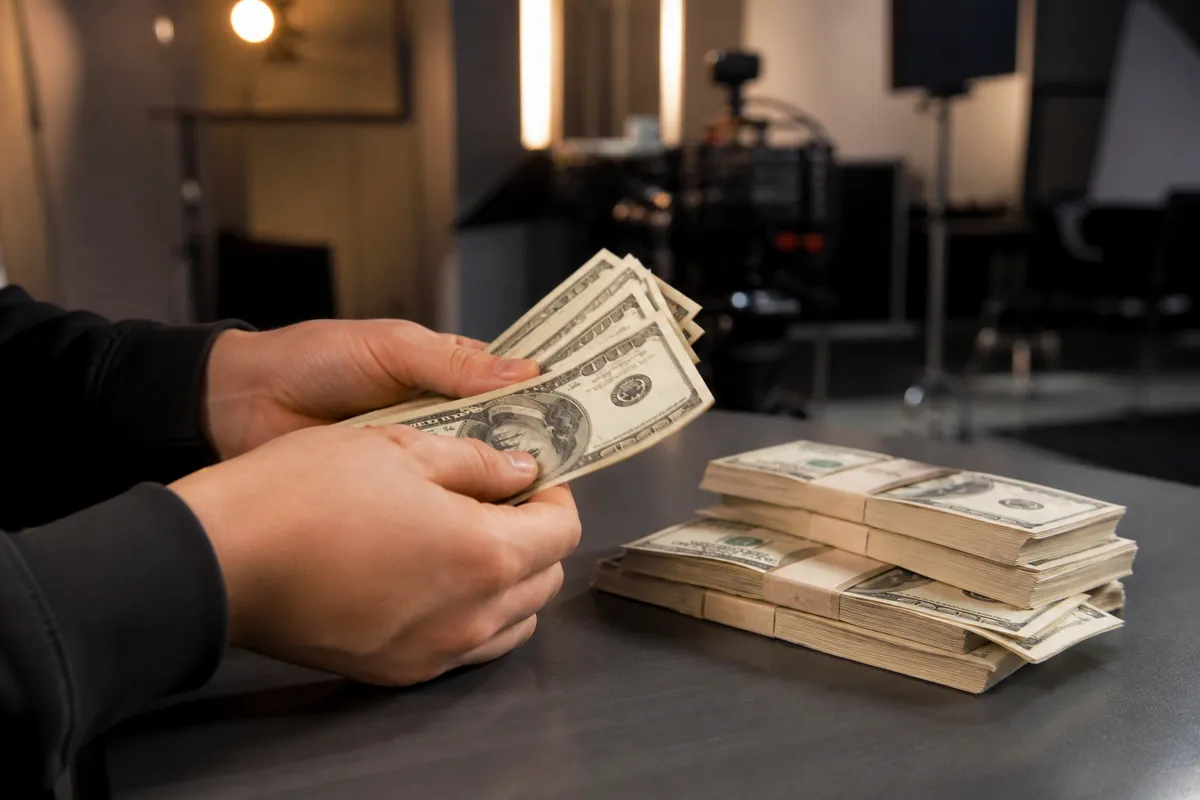
What Is Prop Money and Why Realism Matters
Prop money is realistic-looking currency designed for various creative productions, including films, television shows, music videos, and photography, where real cash is impractical or unsafe (4). It serves to enhance the visual authenticity of scenes involving financial transactions without the risks associated with using actual money.
Realism in prop money is critical for several reasons. First, close-up shots often reveal details that can make or break a scene. Productions need prop money that looks genuine to maintain immersion (5). Second, handling prop money in scenes requires it to feel and appear realistic, ensuring actors can interact with it convincingly. Using full print prop money is ideal for these situations, as it features printing on both sides, unlike blank filler stacks which are less detailed (2) (5). Finally, legal compliance is essential. Prop money must be clearly marked with disclaimers like "For Motion Picture Use Only" or "Not Legal Tender" to differentiate it from real currency and adhere to regulations (1).
Common misconceptions about prop money exist. Many people assume it can be used as legal tender; however, this is not the case. Prop money has no monetary value and using it for transactions is illegal under federal law (6). Additionally, while prop money may look convincing, it is crucial to remember it is not meant to be passed off as real currency.
Understanding the purpose and importance of realism in prop money is essential for effective use in creative projects.
Key Features That Make Prop Money Look Realistic
Several visual elements contribute to the realism of prop money. Color accuracy is crucial; prop money must closely match the hues found in genuine currencies like the U.S. dollar or Euro. For instance, U.S. bills feature distinct shades that are difficult to replicate without attention to detail. Paper texture plays a significant role as well. Real U.S. currency is made from a cotton-linen blend, giving it a unique feel with embedded red and blue fibers to deter counterfeiting (7). High-quality prop money often mimics this texture, enhancing its authenticity.
Security features are another vital aspect. Genuine currency includes elements like watermarks, microprinting, and holograms that are difficult to reproduce. While prop money does not replicate these features exactly, it may include simulated versions for visual effect. For example, some prop bills may feature a watermark-like design or microprinting that adds to the visual complexity without violating legal standards (1).
When comparing prop money to real currency, key differences are evident. Prop money typically lacks serial numbers and may include disclaimers such as "For Motion Picture Use Only" or "Not Legal Tender" to comply with legal requirements (8) (1). This distinction is essential to prevent any misuse of prop money as actual currency.
Examples of high-quality prop money include RealAged® prop money, designed to replicate the look of worn bills for added realism. Full print prop money is ideal for scenes requiring detailed close-ups, as it is printed on both sides, unlike blank filler stacks that are typically used for background scenes (2) (5) (3).
The use of realistic prop money enhances the overall production quality by creating believable financial transactions on screen.
How Prop Money Feels Realistic: Texture and Handling
The tactile features of prop money significantly influence its realism. Two common finishes are matte and glossy. A matte finish often feels more authentic, resembling the texture of real currency. In contrast, glossy finishes may appear overly artificial, detracting from believability.
Paper weight is another critical factor. High-quality prop money typically uses heavier paper to mimic the feel of actual cash. Real U.S. currency is composed of 25% linen and 75% cotton, giving it a unique heft and texture (7). Prop money that emulates this blend enhances its tactile authenticity.
Edges also play a role. Rough-cut edges can suggest a newly printed look, while smooth edges are more indicative of circulated bills. For scenes requiring close-ups, full print prop money is ideal since it features printing on both sides. This ensures that details remain visible during handling (2).
Wear and aging contribute to realism as well. Creases, stains, and scuffs can enhance the appearance of prop money, making it look like it has been in circulation. Aged prop money is specifically designed to replicate the look of worn bills, adding authenticity to close-up shots (3).
Materials used in prop money production vary. Cotton-based paper is preferred for its texture, while non-glossy coatings help avoid the shiny look of novelty items. This combination allows prop money to feel more realistic in the hands of actors and during filming.
For effective use in productions, consider the texture, finish, and materials of prop money. These elements collectively create a convincing illusion of real currency.
Legal Requirements for Realistic Prop Money
Understanding the legal requirements for prop money is crucial for filmmakers and content creators. Prop money must adhere to specific regulations to avoid legal issues. One primary requirement is the inclusion of disclaimers. Prop money must be clearly marked with phrases like “Not Legal Tender” and “For Motion Picture Use Only” to differentiate it from real currency (1). This distinction helps prevent any confusion regarding its legitimacy.
Size and design restrictions also play a significant role. Under the Counterfeit Detection Act of 1992, color reproductions of U.S. currency are permitted only if they are one-sided and either 75% smaller or 150% larger than the original note (1). Additionally, federal law mandates that all materials used to create prop money illustrations must be destroyed after final use (8). This means that any digital files or printing plates cannot be kept after production.
Examples of compliant prop money include full print prop money, which features printing on both sides and is ideal for scenes where bills are handled or counted (2). In contrast, blank filler stacks, which consist of two printed outer bills with blank sheets in between, are often used for background scenes but may not meet all legal requirements if they resemble real cash too closely (3). Non-compliant prop money might include any items that lack the necessary disclaimers or fail to meet the size specifications outlined by law.
Using prop money in a way that misrepresents it as real currency is illegal and can lead to severe penalties (6). Therefore, it is essential for creators to follow these legal guidelines to ensure their productions stay within the law.
Adhering to legal requirements is vital for the safe and effective use of prop money in creative projects.
Types of Prop Money: From Full Print to Blank Stacks
Prop money comes in various types, each serving specific purposes in film production and photography. Understanding these categories helps creators choose the right type for their needs.
Full Print Prop Money
Full print prop money features detailed printing on both sides. It is ideal for scenes requiring close-ups or where actors handle cash. This type closely mimics the look and feel of real currency, making it suitable for detailed shots. For instance, a production might use full print prop money for a bank heist scene where bills are counted or exchanged. Common denominations include $20, $100, and even $10,000 bundles, which add to the scene's realism (2) (5).
RealAged® Prop Money
RealAged® prop money is designed to replicate the appearance of worn, circulated cash. This type is particularly useful in scenes that require a more authentic look. For example, a film depicting a character who has been using cash for a long time would benefit from aged bills that show creases and fading. This style enhances the overall believability of the scene, especially in close-ups (3).
Blank Filler Stacks
Blank filler stacks consist of two fully printed outer bills with 98 blank sheets in between. This design is budget-friendly and ideal for background scenes where the details of the cash are not the focus. For example, in a crowded market scene, these stacks can create the illusion of large amounts of cash without incurring high costs. They are commonly used for establishing shots where the bills are not handled or scrutinized (3) (5).
Use Cases and Considerations
When selecting prop money, consider the scene's requirements. Full print prop money is best for detailed interactions, while blank filler stacks are suitable for background volume. Aged prop money enhances authenticity in scenes requiring a realistic touch. Always ensure that prop money is marked as "For Motion Picture Use Only" to comply with legal regulations (1).
Choosing the right type of prop money can significantly impact the visual storytelling of a production.
Common Mistakes That Ruin Realism (And How to Avoid Them)
Creating realistic prop money involves avoiding common pitfalls that can decrease authenticity. Here are the main mistakes to watch for and how to sidestep them.
Glossy Finish
Using prop money with a glossy finish can make it look fake. Real currency has a matte texture, which feels more authentic. Opt for prop money printed on matte paper to replicate the look and feel of genuine bills.
Incorrect Size
Prop money must adhere to specific size regulations. According to the Counterfeit Detection Act of 1992, reproductions must be either 75% smaller or 150% larger than the original notes (1). Always check dimensions before purchasing. If prop money appears too close to actual size, it can mislead viewers and violate legal standards.
Missing Disclaimers
Legal requirements stipulate that prop money must be marked clearly. Phrases like “For Motion Picture Use Only” or “Not Legal Tender” should be visible (1). Failing to include these disclaimers can lead to legal issues. Always verify that the prop money you choose has the necessary markings.
Poor Color Matching
The colors of prop money should closely match those of real currency. U.S. bills have specific shades that enhance their authenticity. If colors seem off, the prop money will look fake. When selecting prop money, ensure that it accurately reflects the hues of genuine notes.
Quick Checklist for Buyers
Before purchasing prop money, consider the following:
Is the finish matte and not glossy?
Does it comply with size regulations (75% smaller or 150% larger)?
Are the required disclaimers included?
Are the colors accurate and true to real currency?
By avoiding these common mistakes, prop money can effectively enhance the realism of any production.
Where to Buy the Most Realistic Prop Money Online
Purchasing realistic prop money involves finding reputable sellers who specialize in various types of prop money. Some well-known vendors include BuzzProps and RealAged®. Each has unique offerings that cater to different needs.
Reputable Sellers and Their Specialties
BuzzProps: Known for custom orders and a variety of denominations. They provide both full print and aged prop money options.
RealAged®: Specializes in aged prop money that mimics the look of worn cash, perfect for scenes requiring authenticity.
Prop Money Inc: Offers a range of choices, including full print prop money ideal for detailed shots and blank filler stacks for background scenes.
Features Comparison
When comparing sellers, consider the following features:
Shipping Speed: Most sellers offer standard and expedited shipping. Check delivery times, especially if you have tight production schedules.
Customization Options: Some vendors allow custom denominations or designs. This is beneficial for specific scenes or storylines.
Bulk Discounts: If purchasing in large quantities, inquire about discounts. Many sellers provide price breaks for bulk orders, which can significantly reduce costs for larger productions.
Platforms to Explore
In addition to specialized websites, platforms like Amazon and Etsy also sell prop money. When browsing these listings, look for:
Seller Ratings: High ratings and positive reviews indicate reliability.
Product Descriptions: Ensure the prop money is clearly marked as "For Motion Picture Use Only" or "Not Legal Tender" to comply with legal standards (1).
Images: Check for clear images showing both sides of the bills to confirm quality.
Purchasing realistic prop money from reputable sources ensures compliance with legal requirements while enhancing the overall quality of your production.
Common Misconceptions About Prop Money Realism
Assuming Glossy Paper Adds Realism
Glossy finishes are often chosen for their vibrant appearance, but real U.S. currency uses a matte, cotton-linen blend that absorbs light (7). Glossy prop money stands out as fake under camera lights. Always select matte paper to match the non-reflective surface of genuine bills.
Ignoring Legal Size Requirements
Some buyers assume any size works for prop money. Federal law requires reproductions to be one-sided and either 75% smaller or 150% larger than real notes (1) (8). Using incorrect sizes risks legal trouble and breaks immersion. Verify dimensions before purchasing.
Skipping Disclaimers for “Obvious” Fake Money
Even if prop money looks unrealistic, it must include markings like “For Motion Picture Use Only” or “Copy” (1). Without these, it may violate federal law, regardless of appearance. Check for visible, permanent disclaimers on both sides.
Using Blank Filler Stacks for Close-Ups
Blank filler stacks are cost-effective for bulk scenes but have only two printed outer bills (3). In close-ups, the blank sheets become visible, ruining realism. For detailed shots, use full print prop money instead (2) (5).
Overlooking Tactile Details
Real bills have raised printing and embedded fibers for texture (9) (7). Prop money lacking these tactile features feels flat and artificial. Choose options with textured surfaces and weighted paper to mimic genuine currency.
Believing All Aged Prop Money Looks Authentic
Not all aged prop money replicates wear realistically. Poorly designed aging may include unnatural stains or inconsistent fading (3). Look for subtle, uniform creases and discoloration to match circulated cash.
Key Takeaways
Matte paper, accurate colors, and legal disclaimers are non-negotiable for realism
Full print prop money suits close-ups, while blank filler stacks work for background scenes
Always verify size compliance (75% smaller or 150% larger) and destroy files post-use
Aged prop money adds authenticity but must mimic natural wear patterns
Check sellers for customization, bulk discounts, and clear legal markings
Next, explore Prop Money 100 Dollar Bills: Key Features to refine your selection.
Sources and further reading
- U.S. Currency's Starring Role in Film - San Francisco Fed
- Prop Money FAQ | Legal, Shipping, Custom & More
- The Prop Money Guide – Prop Movie Money
- What Is Prop Money? Uses, Types & Filming Guide
- Full Print vs Blank Filler Prop Money Explained
- Legal Disclaimer - Prop Money Inc
- The Buck Starts Here: How Money is Made | Bureau of Engraving and Printing
- Currency Image Use | Bureau of Engraving and Printing
- Cashier Toolkit: A Guide to Identifying Genuine Currency 2021