Fake Dollar Bills: Understanding Their Use
- First published:
- 15 min read
What Are Fake Dollar Bills and How Are They Different from Real Ones?
Fake dollar bills, often referred to as prop money, play money, or novelty bills, are designed for legitimate uses such as film production, educational tools, and party props. Unlike counterfeit currency, which is illegal and intended for fraudulent use, these fake bills have specific characteristics that distinguish them from real currency.
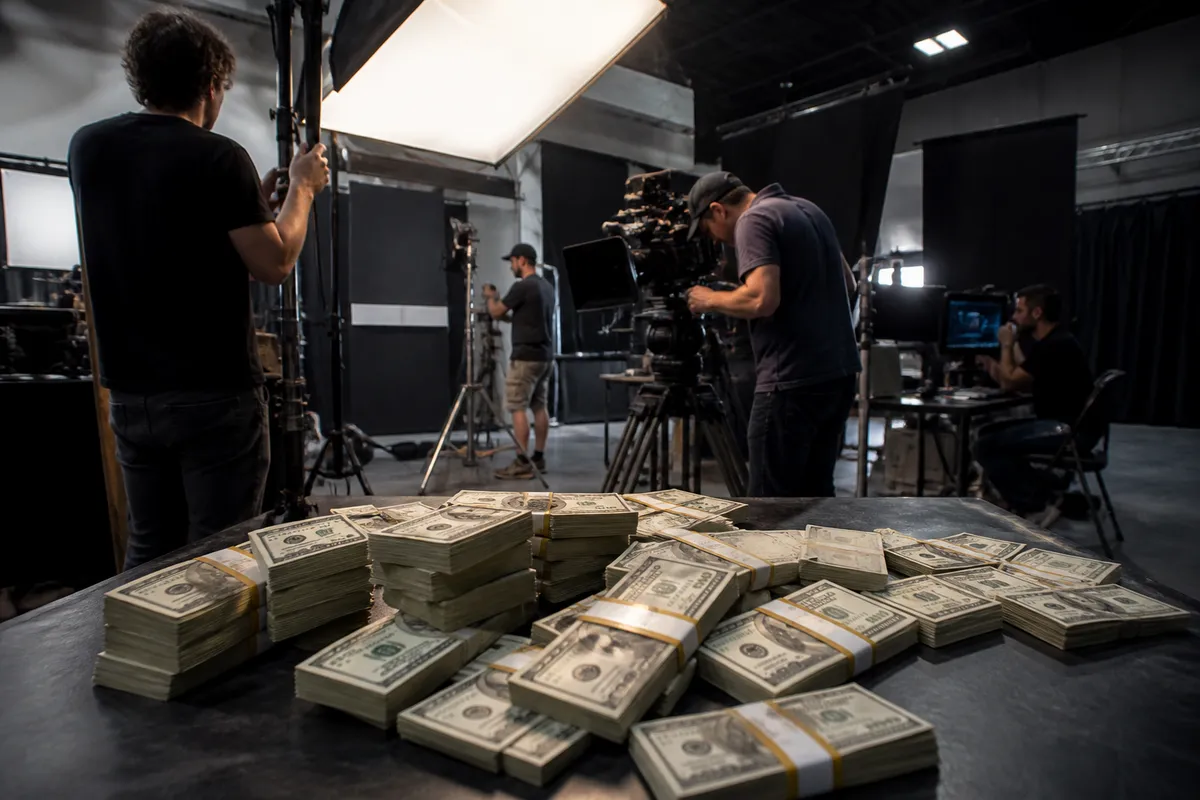
Legitimate uses of fake dollar bills include their role in film production, where they serve as props to create realistic scenes without the risk of legal repercussions. For example, movie studios often utilize Hollywood prop money, which is marked with phrases like “For Motion Picture Use Only” to comply with laws (1). In educational settings, teachers might use play money to teach students about currency and financial literacy. At parties, novelty bills can add a fun element to games or decorations.
Visually and texturally, fake dollar bills differ significantly from genuine currency. Genuine U.S. dollar bills are made from a unique blend of 25% linen and 75% cotton, giving them a distinct texture that feels slightly rough (5). Real bills also feature security features like watermarks that can be seen when held up to light, color-shifting ink that changes hue when tilted, and embedded security threads that glow under UV light (2) (3) (2). In contrast, fake bills may lack these features or replicate them poorly.
Additionally, genuine bills include microprinting that is clear and legible under magnification (2). If a fake bill has foreign writing or lacks proper security features, it should be reported as it may be counterfeit (3).
Understanding these differences is crucial for anyone looking to use fake dollar bills legally. Always ensure that they meet the necessary legal standards to avoid any potential issues.
Fake dollar bills serve many practical purposes, but knowing how to differentiate them from counterfeit currency is essential.
Legitimate Uses of Fake Dollar Bills
Fake dollar bills find various legitimate applications across different fields. These include film production, educational activities, themed events, and entertainment.
Film and Television
In the film industry, prop money is essential for creating realistic scenes. Hollywood productions often utilize specialized prop money, marked with phrases like “For Motion Picture Use Only” to avoid legal issues. Movies such as “The Dark Knight” and “American Hustle” feature realistic-looking prop bills that enhance authenticity without risking the use of real currency (1).
Educational Tools
Teachers frequently use play money in classrooms to teach students about currency management, math, and financial literacy. For example, using fake dollar bills in math lessons can help students learn to count, add, and make change, making the learning process more engaging.
Themed Events and Parties
Novelty bills are popular at themed parties or events, adding a playful touch to decorations or games. For instance, a casino-themed party might feature fake dollar bills to enhance the atmosphere. These bills can be customized with specific designs or branding, making them perfect for promotional or themed events.
Magic Tricks
Magicians often use fake money in their performances. The use of prop bills can create illusions, such as appearing to pull money from thin air. This adds an exciting element to their acts while ensuring that no real currency is involved.
Customization Options
Customization is an exciting aspect of fake dollar bills. Many suppliers offer options to create personalized designs for businesses or events. This can include adding a logo or specific branding elements to the bills, making them unique to the occasion.
Fake dollar bills are versatile and serve several legitimate purposes. Understanding their applications can enhance creativity in both educational and entertainment contexts.
Where to Buy Fake Dollar Bills (Legal Options)
Purchasing fake dollar bills legally can be done through various online and physical stores. Understanding the options available can help the reader find the right product for their needs.
Online Stores
Several online platforms specialize in selling prop money. Websites like Amazon offer a range of fake dollar bills, including printable templates priced between $5 and $50. These templates can be downloaded and printed at home, making them a convenient option for personal use. Specialized prop money websites, such as Print A Bill and The Official Prop Money of Hollywood, provide high-quality bills that comply with legal standards. Prices for bulk prop money from these suppliers typically range from $10 to $100, depending on the quantity and quality of the bills.
Physical Stores
Physical stores, such as Party City, also carry prop money and novelty bills. These stores usually offer a limited selection of fake dollar bills, often geared towards party decorations or themed events. Prices in physical stores may vary, but they generally fall within the same range as online options, typically from $10 to $50.
Trusted Suppliers
When purchasing fake dollar bills, it's essential to choose trusted suppliers. Print A Bill and The Official Prop Money of Hollywood are well-known for providing realistic and legally compliant prop money. These suppliers ensure that their products are clearly marked for motion picture use only, helping to avoid any legal issues associated with counterfeit currency.
Before making a purchase, check the supplier's reputation and reviews to ensure quality and legality. Always verify that the prop money meets legal requirements, such as being one-sided or appropriately sized compared to real currency.
Understanding where to buy fake dollar bills and the prices involved can help the reader make informed decisions for their specific needs.
How to Identify Fake Dollar Bills (For Legal Use Only)
Identifying fake dollar bills is crucial for anyone using them legally. Prop money must be distinguishable from counterfeit currency to avoid legal issues. Prop bills are typically marked with phrases like "For Motion Picture Use Only" or "Copy" (1). This clear labeling helps differentiate them from real currency and ensures compliance with federal laws.
To spot fake dollar bills, consider the following visual cues:
Visual Cues
Texture: Genuine U.S. currency is made from 25% linen and 75% cotton, giving it a distinct texture that feels slightly rough (5). Fake bills often lack this texture.
Watermark: Hold the bill up to light to check for a watermark that matches the portrait on denominations $10 and higher (2). If the watermark is missing or incorrect, the bill may be fake.
Color-Shifting Ink: Genuine bills feature color-shifting ink that changes from copper to green when tilted. This is visible in the lower right corner of $10, $20, $50, and $100 bills (3). Fake bills may not replicate this effect.
Security Thread: Look for a security thread embedded vertically in the bill. It should glow a specific color under UV light, and its position varies by denomination (2). Fake bills often lack this feature or have it poorly imitated.
Microprinting: Check for tiny text that is clear and legible under magnification. Genuine bills include phrases like "THE UNITED STATES OF AMERICA" (2). If microprinting is unclear or missing, the bill is likely fake.
Legal Consequences
Using counterfeit currency is a serious offense. Under 18 U.S. Code § 472, possessing or uttering counterfeit obligations with fraudulent intent can result in fines or imprisonment for up to 20 years (4). Always ensure that prop money is used legally to avoid these severe consequences.
Federal law also restricts the commercial use of replicated currency. For example, illustrations of U.S. currency must be one-sided and meet specific size requirements (6) (1). Using fake money without adhering to these regulations can lead to legal trouble.
Being aware of these distinctions and legal implications is essential for anyone considering the use of fake dollar bills. Proper identification can prevent unintended consequences and ensure compliance with the law.
Types of Fake Dollar Bills: Prop Money vs. Play Money vs. Printable Templates
Fake dollar bills can be categorized into three main types: prop money, play money, and printable templates. Each type serves different purposes and has distinct features.
Prop Money
Prop money is primarily used in film production. It is designed to look realistic while complying with legal standards. Prop bills are often marked with phrases like “For Motion Picture Use Only” to distinguish them from real currency (1). These bills may mimic the texture and appearance of genuine currency but usually lack the security features found in real bills, such as watermarks and color-shifting ink. Prop money can be purchased from specialized suppliers, often costing between $10 and $100 for bulk orders. An example of its use includes films like “The Dark Knight,” where realistic-looking prop bills enhance authenticity.
Play Money
Play money is intended for children and educational purposes. It is often used in games to teach kids about money management and basic math skills. This type of fake currency is less realistic than prop money and may not feature detailed designs or security elements. Play money is typically made from paper or plastic and comes in various denominations. Prices for play money sets can range from $5 to $30, depending on the quality and quantity. An example of its use is in classrooms, where teachers can use play money to engage students in financial literacy lessons.
Printable Templates
Printable templates allow users to create their own fake dollar bills at home. These templates can be customized and printed using standard printers. The legality of using printable templates hinges on adherence to specific regulations, such as making the bills one-sided or ensuring they are 75% smaller or 150% larger than real currency (6) (1). Many online resources offer free or paid templates, with prices varying from $5 to $50. An example of their use is at themed parties, where hosts can print novelty bills to enhance the atmosphere.
Understanding these categories helps users select the appropriate type of fake dollar bills for their needs while ensuring compliance with legal standards.
Fake Dollar Bills for Film Production: What to Look For
When selecting fake dollar bills for film production, several industry standards ensure realism and compliance with legal regulations. Realistic design is crucial; prop money should mimic genuine U.S. currency in texture, size, and appearance. Authentic U.S. currency is made of 25% linen and 75% cotton, creating a distinct feel that is slightly rough to the touch (5). Additionally, prop bills should feature security elements like watermarks, color-shifting ink, and security threads to enhance authenticity. For example, the watermark visible when held up to light is a key feature in denominations of $10 and higher (2).
Top suppliers for prop money include The Official Prop Money of Hollywood, Print A Bill, and Party City. These providers specialize in creating high-quality fake dollar bills that meet legal standards. Prop money must be clearly marked with phrases like “Motion Picture Use Only” to distinguish it from real currency (1).
When considering bulk orders or customization, keep these tips in mind:
Serial Numbers: Custom serial numbers can add authenticity and make the prop money unique to your production.
Denominations: Decide on the denominations needed for your scenes. Most suppliers offer a range, from $1 to $100 bills, allowing for flexibility in your production's requirements.
UV Ink Printing: Look for suppliers that use UV ink, which adds an extra layer of realism by allowing the bills to glow under black light, mimicking genuine currency security features (2).
Understanding these aspects will help ensure your prop money meets both aesthetic and legal standards, enhancing the authenticity of your film production.
DIY Fake Dollar Bills: How to Make Your Own (Printable Templates)
Creating your own fake dollar bills can be a fun and creative project. Printable templates are readily available online, allowing anyone to design their own prop money for various uses.
Where to Find Templates
Several websites offer free and paid templates for printable fake money:
US Currency.gov: This site provides official resources and guidelines for creating currency illustrations.
Print A Bill: Offers a variety of templates that comply with legal standards.
The Official Prop Money of Hollywood: Specializes in high-quality, realistic prop money.
Step-by-Step Instructions
Choose a Template: Select a design from a trusted site. Make sure it meets legal requirements, such as being one-sided or sized appropriately (75% smaller or 150% larger than real bills) (6) (1).
Download the Template: Save the template file to your computer. Ensure it’s in a printable format, like PDF or JPEG.
Print the Bills: Use a high-quality printer for better results. Standard printer paper may not replicate the texture of real currency, so consider using heavier paper or cardstock for a more authentic feel.
Cut Out the Bills: Carefully cut along the edges of the printed bills. A paper cutter can provide straight edges, enhancing the realistic appearance.
Add Details: For added authenticity, consider including elements like serial numbers or custom logos. Just remember to keep it within legal guidelines.
Legal Considerations
When creating DIY fake dollar bills, adhere to federal laws. For example, all materials used must be destroyed after use (6). Ensure that the final product is clearly marked as “For Motion Picture Use Only” or “Copy” to avoid any confusion with real currency (1).
This process allows for creativity while ensuring compliance with regulations. Making your own fake dollar bills can be a rewarding project for themed events, educational purposes, or film production.
Legal Risks and Consequences of Using Fake Dollar Bills
Using fake dollar bills carries significant legal risks in the United States. The federal government strictly regulates the creation and use of counterfeit currency. Under 18 U.S. Code § 472, possessing or using counterfeit obligations with fraudulent intent can lead to severe penalties. This includes fines and imprisonment for up to 20 years (4).
Distinguishing Legal from Illegal Use
It's crucial to understand what constitutes legal versus illegal use of fake money. Prop money, commonly used in film production, must be clearly marked with phrases like "For Motion Picture Use Only" or "Copy" (1). This labeling helps differentiate it from genuine currency and ensures compliance with federal laws.
Federal law (18 U.S. Code § 504) allows color illustrations of U.S. currency only if they meet specific conditions. The illustration must be one-sided and either less than 75% or more than 150% the size of the original currency. All materials used to create the illustration must be destroyed after use (6) (1). Failure to follow these guidelines can result in legal consequences.
Examples of Penalties
The legal repercussions for using counterfeit money can vary based on the circumstances. For instance, using fake bills in a commercial setting without adhering to regulations could lead to fines and potential jail time. Under 18 U.S. Code § 485, counterfeiting or altering coins or bars resembling U.S. currency can result in imprisonment for up to 15 years (7).
State-Specific Rules
In addition to federal laws, some states have specific regulations concerning counterfeit currency. For example, some states may impose additional fines or sentences for using fake money in fraudulent transactions. It is essential to check local laws to fully understand the legal landscape regarding fake dollar bills.
Understanding these legal frameworks is vital for anyone considering the use of fake dollar bills. Proper adherence to regulations can prevent unintended legal issues and ensure compliance with the law.
Common Mistakes and Misconceptions
Assuming All Fake Bills Are Illegal
Many believe any fake dollar bill is automatically illegal. In reality, prop money for films or novelty use is legal if it meets specific conditions: one-sided, size-adjusted, and clearly marked as “For Motion Picture Use Only” (6) (1). Skipping these steps turns a legal prop into a federal offense.
Ignoring Security Features in Prop Money
Some filmmakers pick prop money based on looks alone. Genuine bills have watermarks, color-shifting ink, and security threads that prop money should mimic for realism (2) (3) (2). Without these, scenes look unconvincing, and the prop may fail legal scrutiny.
Using Unmarked Printable Templates
DIY templates often lack required legal markings. Federal law mandates that replicated currency must be one-sided, resized, and destroyed after use (6) (1) (6). Failing to add “Copy” or “Not Legal Tender” risks violating 18 U.S. Code § 472 (4).
Believing Play Money Works for Films
Play money is designed for games and lacks the detail needed for professional productions. It often omits security features like microprinting or UV ink, making it unsuitable for close-up shots (2). Prop money suppliers offer better alternatives for authenticity.
Overlooking Paper Texture
Real U.S. currency uses a unique 25% linen and 75% cotton blend, giving it a distinct feel (5). Cheap paper or glossy prints make fake bills obvious to the touch. High-quality prop money replicates this texture for realism.
Destroying Materials After Use
Some assume keeping digital files or prints of prop money is harmless. Federal law requires destroying all materials used to create currency illustrations after final use (6). Neglecting this step can lead to legal penalties.
Key Takeaways
Legal fake dollar bills must be one-sided, resized, and marked as “For Motion Picture Use Only” or “Copy” (6) (1)
Realistic prop money mimics security features like watermarks, color-shifting ink, and UV threads for authenticity (2) (3) (2)
DIY templates require compliance with federal laws, including destruction of materials after use (6)
Play money lacks the detail and texture needed for professional film production
Ignoring legal guidelines can result in severe penalties under 18 U.S. Code § 472 (4)
For a deeper dive into legal and practical aspects, explore Counterfeit 101: Understanding the Basics Without Getting Burned
Sources and further reading
- U.S. Currency's Starring Role in Film - Federal Reserve Bank of San Francisco
- Dollars in Detail: Your Guide to U.S. Currency - U.S. Currency Education Program
- Quick Glance Reference Card - U.S. Currency Education Program
- 18 U.S. Code § 472 - Uttering Counterfeit Obligations or Securities
- Know Your Money - U.S. Secret Service
- Currency Image Use - U.S. Bureau of Engraving and Printing
- 18 U.S. Code § 485 - Coins or Bars